
In the September of 1978 Richard found
himself sprinting through the rain in
downtown Toronto Canada, towards what
he now considers the crossroads of his life.
In fact, his destination was a small exclusive
gallery where four months earlier, he had
accepted an opportunity to mount a one man
exhibition of his artwork. Negotiations
between other artists and the same gallery
had suddenly collapsed, leaving the space
vacant.
The road he travelled that windswept evening
was to be the end of a long and winding one
that had begun many years before, in the place of his birth London, England. A talent for drawing and
painting had been recognized early in his education, and became the cornerstone of his scholastic
efforts. Nevertheless, the dream of a life in the fine arts did not materialise, but a career in design and
engineering did. While employed as a structural design draftsman in Warwickshire, England, he attended
the Coventry College of Art studying graphics and illustration.
By 1972, with much hard work and a keenness to learn, Richard had reached the position of Industrial
Designer. It was at this stage he met and worked with elite members of the business, including the great
visualist Syd Mead designer of the movie ' Blade Runner '. Even so, with all this effort invested in his
career, the desire to follow his boyhood dream still lingered.
As he ducked out of the rain into the entrance of the gallery, he could see only
a few faces, some familiar, who had braved the inclement weather. His thoughts
flashed back to the day he had accepted the offer to go solo. One evening, while
listening to advice given by his more experienced colleagues, about how an unknown
designer could produce a successful solo exhibition, one statement resonated
with him... ‘Paint from the heart’.... and this he did.
In his teens Richard had become fascinated with nature and
the wildlife of exotic locales such as Africa and the American
continents, so alien to the concrete environment of London,
which surrounded him. Documentaries and books helped make
geography a favourite subject in his studies, but he was also to
learn of the indiscriminate hunting and habitat encroachment
of its wildlife and that troubled him. It was this concern which
Richard chose as the theme of his exhibition.
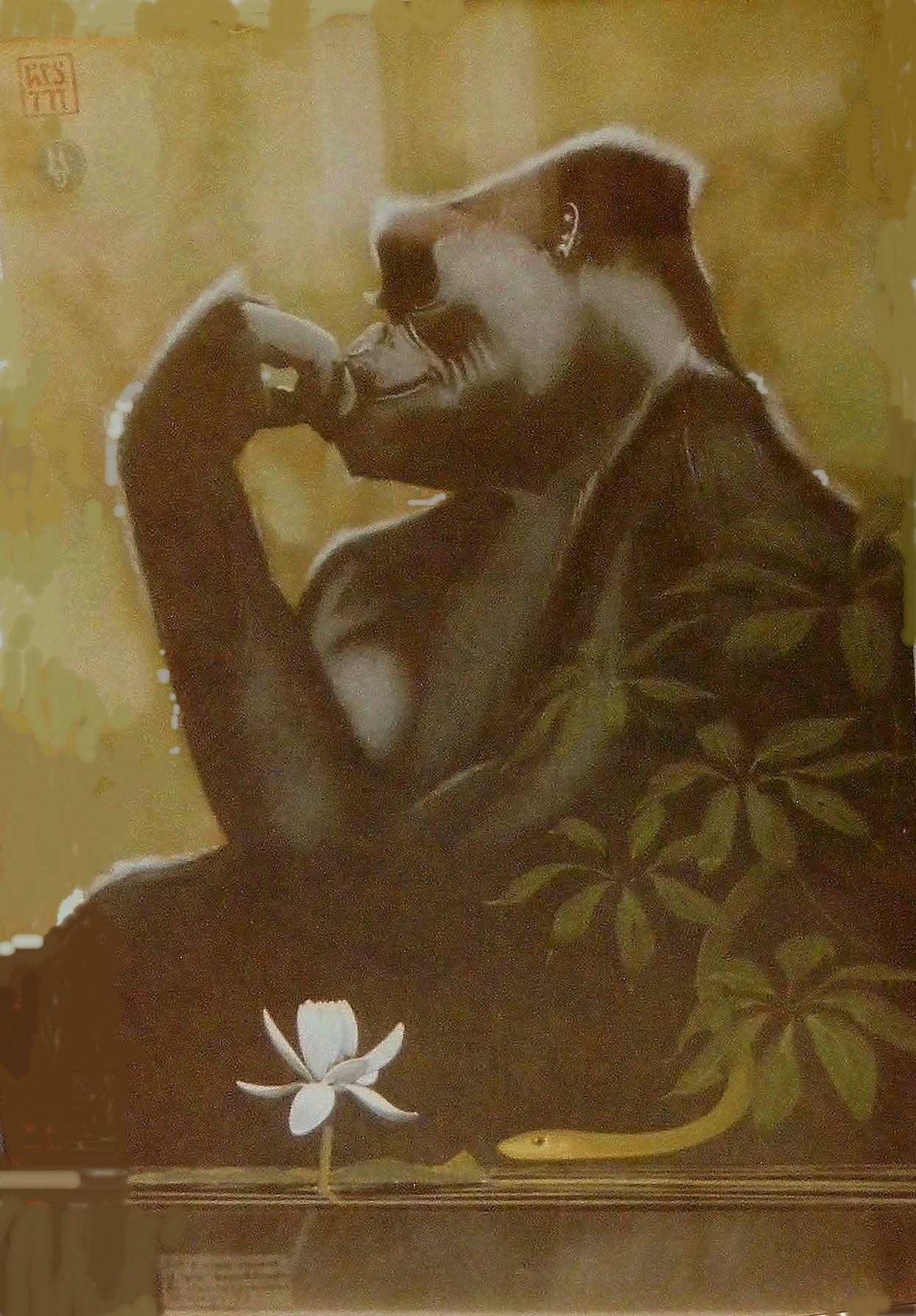
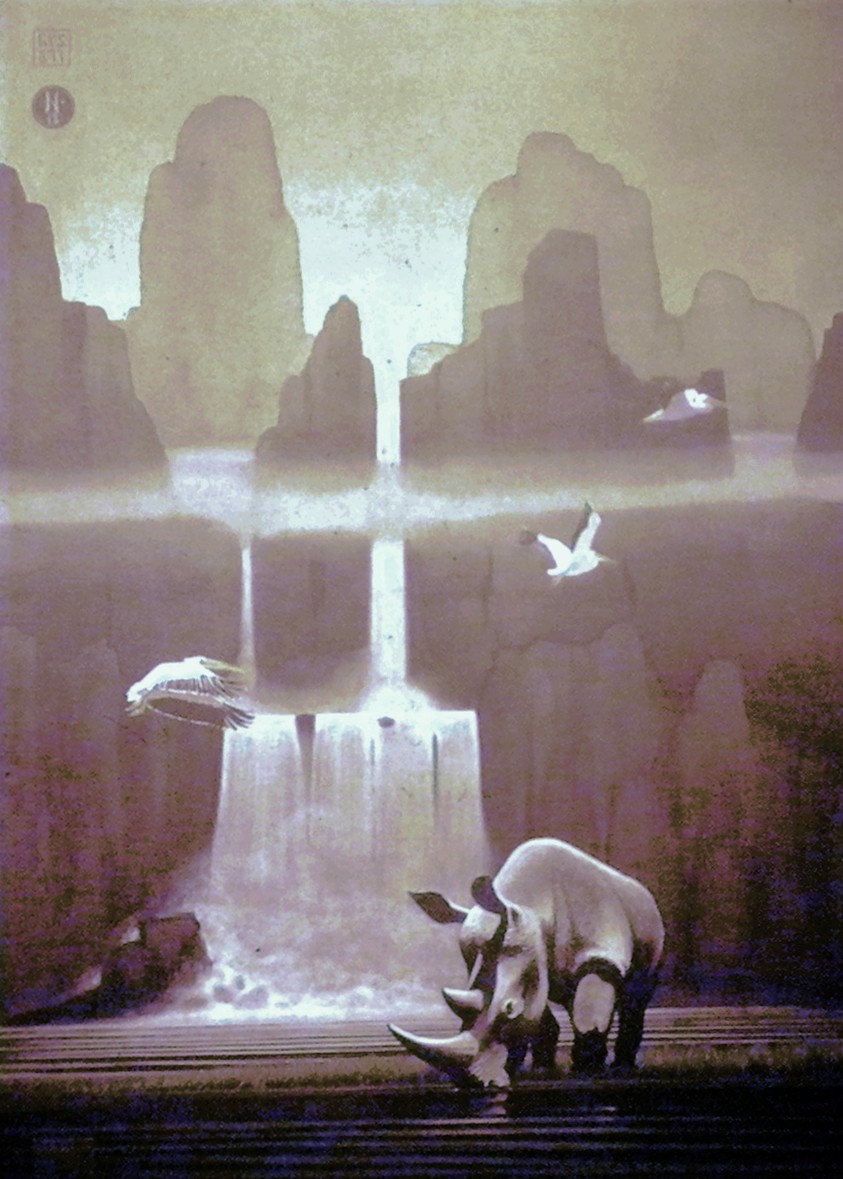
With time an issue, the artist turned to the medium he knew best and produced 12
watercolours, in a unique narrative style, each accompanied by a poignant verse of
concern. It was a leap of faith that these images would impact the viewer as they did
him. The show was successful beyond his wildest expectations, and from that evening Richard’s dream
became reality.
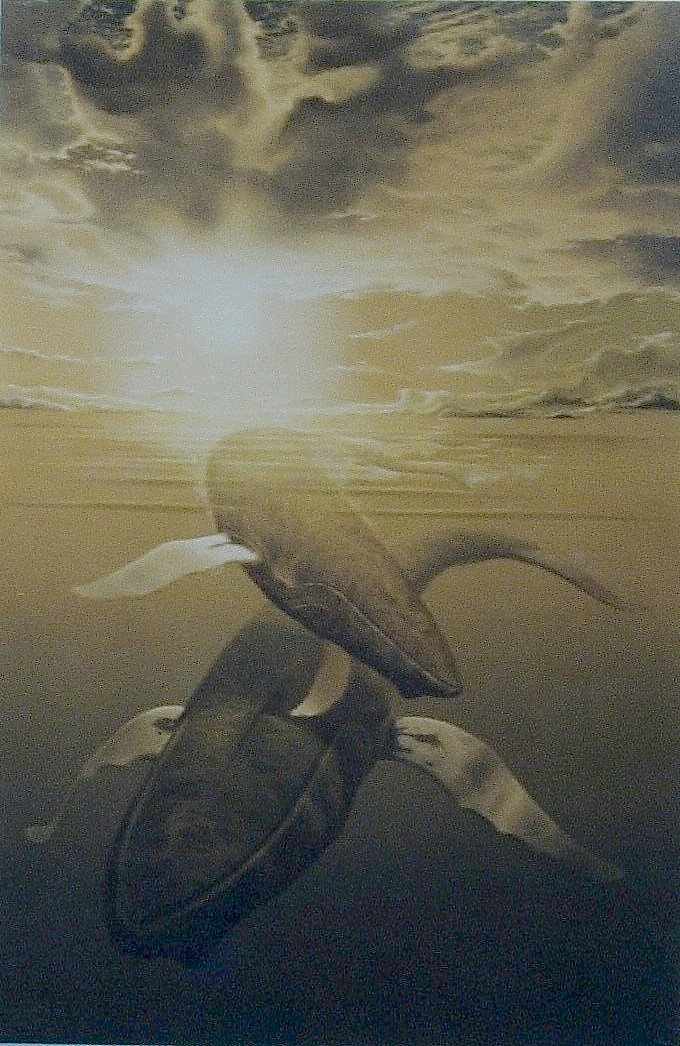
Five years later, in Toronto Ontario, Richard approached the Greenpeace group
with an image and poster concept they could use in their Save the Whales
program. After great deliberation they accepted the offer and the poster became
a reality. After that, a similar concept was created for, and endorsed by, the
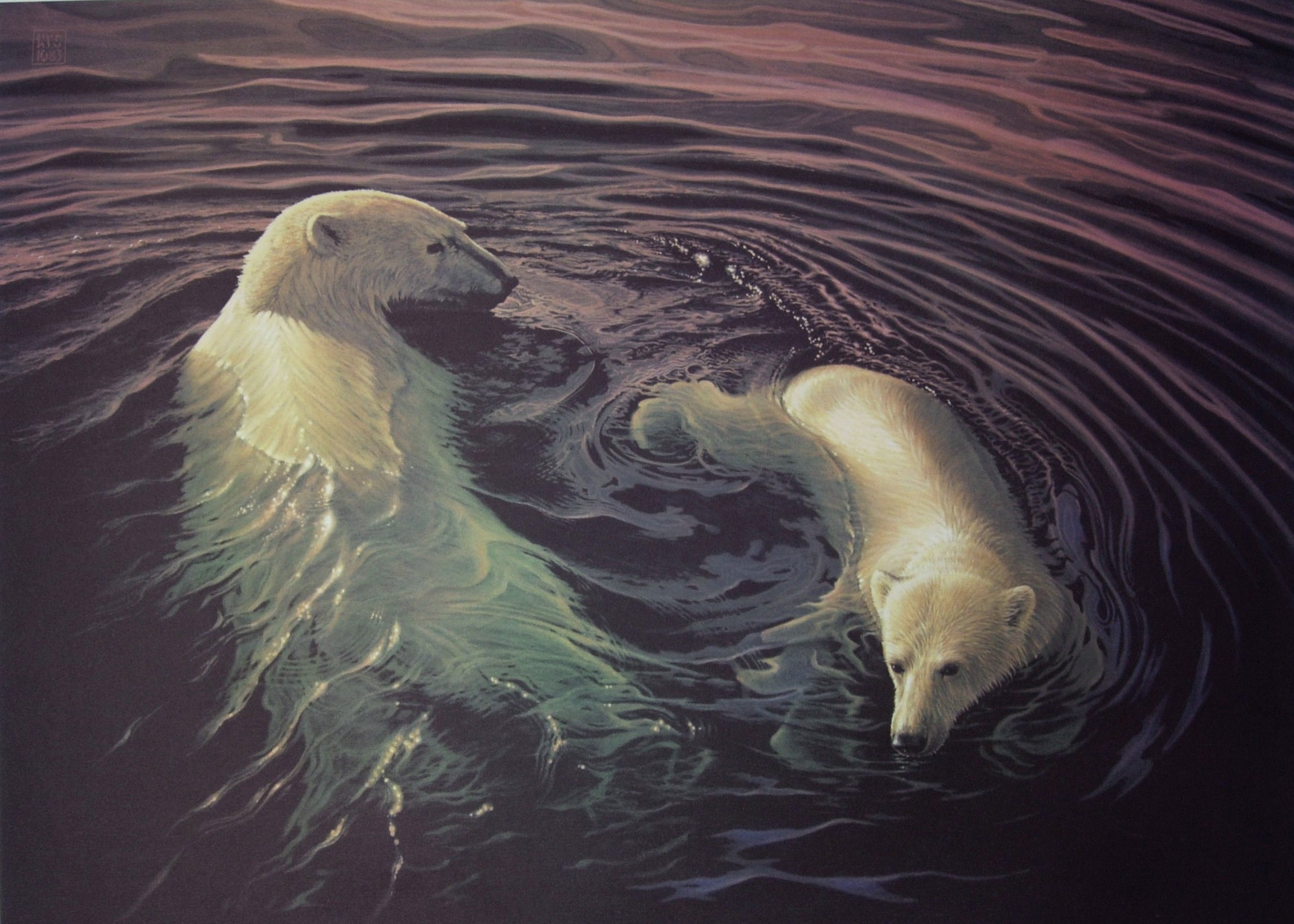
World Wildlife Fund, with conservation of the polar bear as its theme. The image
of a mother polar bear and her 2 year old offspring surrounded by water became
an award winning design and has as much significance now, if not more, than it
did those many years ago.
Since then, many miles have been traveled
through many countries, and involvement
in numerous exhibitions has taken place. Of
these, 'Art of Survival' in 1986, at Toronto's
Royal Ontario Museum, the 'Silent Step'
Project in 1990 to assist Innis College University of Toronto with
their studies of global ecology, and in 2002 an auction to raise
funds for the Sheldrick Foundation in Kenya, were among the
most memorable.
Richard’s work can now be found in
many private and corporate collections
across North America and into Europe.
His portfolio comprises a vast array of
subject matter, created in a variety of media including bronze castings,
acrylics and oil paintings that range in size from miniatures to murals.
Recent studies have been conducted within his own borders, from the Pacific
rim of British Columbia to other great natural regions of Canada. In 2008 he
participated, with invited prominent Canadian artists, in the Algonquin Park Art
Exhibition, emphasizing the nature of this historic provincial park and its environs.
Nevertheless, as the years pass and Richard’s challenges and projects chart their winding course, a
certain recurring theme is evident in his work, a desire to bring awareness to others for preservation of
our natural heritage. The artist says, "It is my work in progress."
himself sprinting through the rain in
downtown Toronto Canada, towards what
he now considers the crossroads of his life.
In fact, his destination was a small exclusive
gallery where four months earlier, he had
accepted an opportunity to mount a one man
exhibition of his artwork. Negotiations
between other artists and the same gallery
had suddenly collapsed, leaving the space
vacant.
The road he travelled that windswept evening
was to be the end of a long and winding one
that had begun many years before, in the place of his birth London, England. A talent for drawing and
painting had been recognized early in his education, and became the cornerstone of his scholastic
efforts. Nevertheless, the dream of a life in the fine arts did not materialise, but a career in design and
engineering did. While employed as a structural design draftsman in Warwickshire, England, he attended
the Coventry College of Art studying graphics and illustration.
By 1972, with much hard work and a keenness to learn, Richard had reached the position of Industrial
Designer. It was at this stage he met and worked with elite members of the business, including the great
visualist Syd Mead designer of the movie ' Blade Runner '. Even so, with all this effort invested in his
career, the desire to follow his boyhood dream still lingered.
As he ducked out of the rain into the entrance of the gallery, he could see only
a few faces, some familiar, who had braved the inclement weather. His thoughts
flashed back to the day he had accepted the offer to go solo. One evening, while
listening to advice given by his more experienced colleagues, about how an unknown
designer could produce a successful solo exhibition, one statement resonated
with him... ‘Paint from the heart’.... and this he did.
In his teens Richard had become fascinated with nature and
the wildlife of exotic locales such as Africa and the American
continents, so alien to the concrete environment of London,
which surrounded him. Documentaries and books helped make
geography a favourite subject in his studies, but he was also to
learn of the indiscriminate hunting and habitat encroachment
of its wildlife and that troubled him. It was this concern which
Richard chose as the theme of his exhibition.
With time an issue, the artist turned to the medium he knew best and produced 12
watercolours, in a unique narrative style, each accompanied by a poignant verse of
concern. It was a leap of faith that these images would impact the viewer as they did
him. The show was successful beyond his wildest expectations, and from that evening Richard’s dream
became reality.
Five years later, in Toronto Ontario, Richard approached the Greenpeace group
with an image and poster concept they could use in their Save the Whales
program. After great deliberation they accepted the offer and the poster became
a reality. After that, a similar concept was created for, and endorsed by, the
World Wildlife Fund, with conservation of the polar bear as its theme. The image
of a mother polar bear and her 2 year old offspring surrounded by water became
an award winning design and has as much significance now, if not more, than it
did those many years ago.
Since then, many miles have been traveled
through many countries, and involvement
in numerous exhibitions has taken place. Of
these, 'Art of Survival' in 1986, at Toronto's
Royal Ontario Museum, the 'Silent Step'
Project in 1990 to assist Innis College University of Toronto with
their studies of global ecology, and in 2002 an auction to raise
funds for the Sheldrick Foundation in Kenya, were among the
most memorable.
Richard’s work can now be found in
many private and corporate collections
across North America and into Europe.
His portfolio comprises a vast array of
subject matter, created in a variety of media including bronze castings,
acrylics and oil paintings that range in size from miniatures to murals.
Recent studies have been conducted within his own borders, from the Pacific
rim of British Columbia to other great natural regions of Canada. In 2008 he
participated, with invited prominent Canadian artists, in the Algonquin Park Art
Exhibition, emphasizing the nature of this historic provincial park and its environs.
Nevertheless, as the years pass and Richard’s challenges and projects chart their winding course, a
certain recurring theme is evident in his work, a desire to bring awareness to others for preservation of
our natural heritage. The artist says, "It is my work in progress."

| All rights reserved. |
Richard Stanley -Biography
 | |  | |  | |  | |  | |  | |  | |  |

One-man show
Toronto, 1977.
Toronto, 1977.
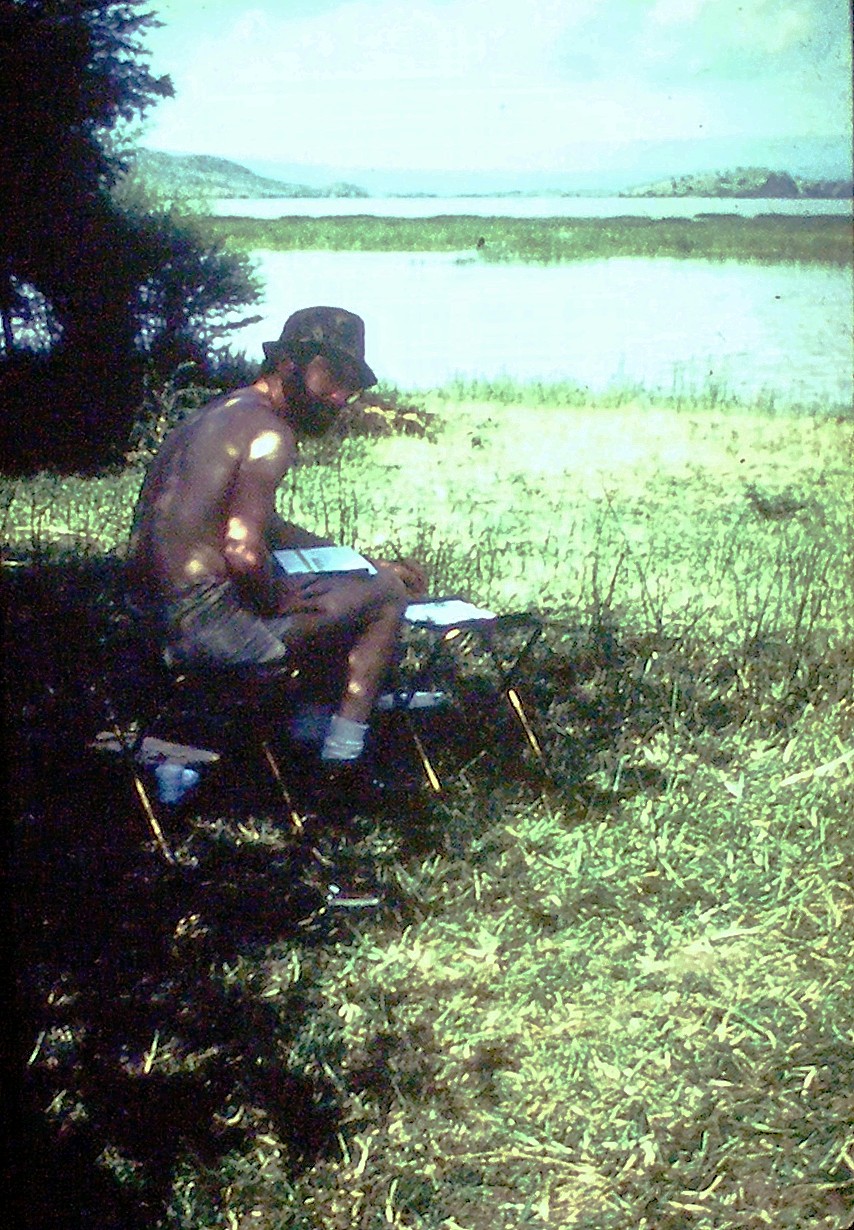
Painting in Samburu National
Park, Kenya 1982.
Park, Kenya 1982.
ARCTIC CIRCLE- acrylic on canvas
World Wildlife Fund, 1984
World Wildlife Fund, 1984
FOR EARTH BELOW
Greenpeace
Greenpeace
For one moment
of your thoughts
1977
of your thoughts
1977
Not of water alone
do we thirst
Exhibition 1977
do we thirst
Exhibition 1977


ART OF SURVIVAL
Book signing 1986
Book signing 1986

TRANQUILITY 2
NOON ALERT - Cheetah family
Watercolour 1983
Watercolour 1983